

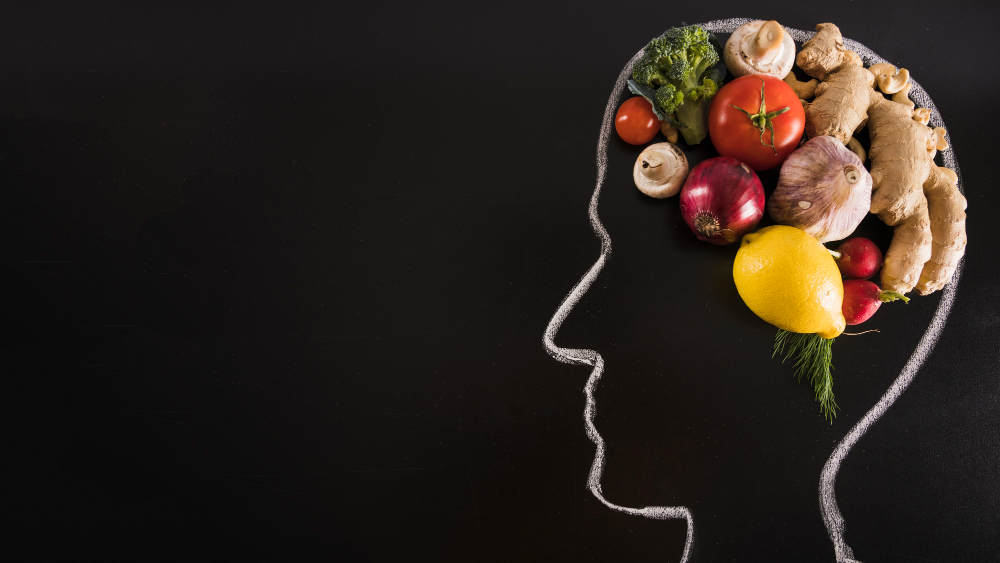
The foods you eat can influence many aspects of your health, including heart health, blood pressure, blood sugar, inflammation, and energy levels. Because the brain depends on a healthy blood supply and a steady supply of nutrients, nutrition is also an important part of supporting cognitive health.
Research has examined whether certain foods and eating patterns are associated with better memory, attention, slower cognitive decline, or a lower risk of dementia. Some findings are encouraging, especially for dietary patterns that emphasize vegetables, fruits, whole grains, beans, nuts, fish, and unsaturated fats.
However, it is important to understand the difference between an association and a proven cause-and-effect relationship.
Eating blueberries, leafy greens, or fish does not guarantee better memory or prevent Alzheimer’s disease. Instead, these foods can be part of an overall eating pattern that supports cardiovascular health, metabolic health, and healthy aging.
The National Institute on Aging reports that Mediterranean-style and MIND-style eating patterns have been associated with better cognitive outcomes in some studies, although the evidence is not conclusive and more research is needed.
So, which foods are associated with better brain health?
1. Green Leafy Vegetables
Green leafy vegetables are among the foods most frequently studied in relation to healthy cognitive aging.
Examples include:
- Spinach
- Kale
- Collard greens
- Swiss chard
- Romaine lettuce
- Mustard greens
- Bok choy
- Arugula
- Other dark green salad vegetables
These foods provide nutrients such as folate, vitamin K, carotenoids, vitamin E, fiber, and other plant compounds.
A study supported by the National Institute on Aging found that older adults who consumed more green leafy vegetables experienced slower rates of cognitive decline than those who consumed very little. The researchers observed an association, not proof that leafy greens alone caused the difference.
How to Include More Leafy Greens
You could:
- Add spinach to eggs or soups.
- Use kale in salads or smoothies.
- Include cooked greens with lunch or dinner.
- Add lettuce, arugula, or cabbage to sandwiches.
- Mix chopped greens into beans, lentils, or whole-grain dishes.
A practical goal is to include some type of leafy green vegetable regularly rather than relying on one specific variety.
2. Berries and Other Colorful Fruits
Berries are often included in brain-supportive eating patterns, particularly the MIND diet.
Examples include:
- Blueberries
- Strawberries
- Blackberries
- Raspberries
- Cranberries
Berries contain fiber and naturally occurring plant compounds called polyphenols. Some of these compounds have antioxidant and anti-inflammatory properties, although the effects of eating berries on long-term human cognitive outcomes are still being studied.
The NIA notes that the MIND diet emphasizes berries over other fruits, but it also cautions that no individual food has been proven to prevent Alzheimer’s disease or age-related cognitive decline.
Ways to Eat More Berries
Try adding berries to:
- Plain yogurt
- Oatmeal
- Whole-grain cereal
- Salads
- Homemade smoothies
- Chia pudding
- A snack of fruit and nuts
Fresh and frozen berries can both fit into a balanced diet. Choose options without added sugar when possible.
Other colorful fruits, including oranges, apples, grapes, and pomegranates, can also contribute fiber and a variety of nutrients.
3. Fatty Fish and Other Seafood
Fish is an important component of Mediterranean-style and MIND-style eating patterns.
Examples of fatty fish include:
- Salmon
- Sardines
- Trout
- Mackerel
- Herring
- Anchovies
These fish provide omega-3 fatty acids, including DHA and EPA. DHA is an important structural component of cell membranes, including those in the brain.
Some observational studies have found that diets containing more fish or long-chain omega-3 fatty acids are associated with better cognitive outcomes. However, clinical research on omega-3 supplements and cognitive decline has produced mixed results. Eating fish as part of a balanced diet should not be interpreted as a guarantee against dementia. (NIH Office of Dietary Supplements)
How to Include Fish
You could:
- Bake salmon with vegetables.
- Add sardines to whole-grain toast.
- Use canned tuna in a bean salad.
- Prepare trout with herbs and lemon.
- Include fish in meals instead of processed or heavily fried meats.
If you do not eat fish, discuss alternative sources of omega-3 fats with a qualified healthcare professional or registered dietitian.
4. Nuts and Seeds
Nuts and seeds provide a combination of healthy fats, fiber, protein, vitamins, minerals, and other plant compounds.
Options include:
- Walnuts
- Almonds
- Pistachios
- Pecans
- Hazelnuts
- Chia seeds
- Flaxseeds
- Pumpkin seeds
- Sunflower seeds
Walnuts are often discussed in brain-health research because they contain unsaturated fats and plant compounds. However, no single nut has been proven to prevent memory loss or dementia.
Nuts and seeds may support brain health indirectly by contributing to a dietary pattern associated with better cardiovascular and metabolic health.
Healthy Ways to Use Nuts and Seeds
- Add chopped walnuts to oatmeal.
- Sprinkle chia or flaxseeds over yogurt.
- Use almonds as a snack.
- Add pumpkin seeds to salads.
- Blend nut butter into a smoothie.
- Mix nuts into a whole-grain breakfast bowl.
Choose unsalted or lightly salted varieties when possible, particularly if you are managing blood pressure.
5. Whole Grains
Whole grains can support a balanced diet by providing fiber, B vitamins, minerals, and complex carbohydrates.
Examples include:
- Oats
- Brown rice
- Barley
- Quinoa
- Bulgur
- Whole-wheat bread
- Whole-grain pasta
- Buckwheat
- Millet
Whole grains may support brain health through several pathways. They can contribute to better digestive health, help support steadier blood sugar levels, and fit into eating patterns that support cardiovascular health.
The MIND and Mediterranean diets both emphasize whole grains.
Easy Whole-Grain Swaps
Consider:
- Oatmeal instead of sugary breakfast pastries
- Brown rice instead of refined white rice
- Whole-grain bread instead of white bread
- Whole-wheat pasta instead of refined pasta
- Barley or quinoa in soups and salads
You do not have to eliminate refined grains completely. The goal is to make whole grains a regular part of a varied diet.
6. Beans, Lentils, and Other Legumes
Legumes are valuable sources of plant-based protein, fiber, folate, iron, magnesium, and other nutrients.
Examples include:
- Lentils
- Chickpeas
- Black beans
- Kidney beans
- Pinto beans
- Navy beans
- Soybeans
- Split peas
Beans and lentils are frequently included in Mediterranean-style and MIND-style eating patterns.
Their fiber content may help support blood sugar regulation, digestive health, and cholesterol management. These effects are relevant because cardiovascular and metabolic health are closely connected with brain health.
Ways to Add More Legumes
- Prepare lentil soup.
- Add chickpeas to salads.
- Use beans in chili.
- Make hummus.
- Add lentils to vegetable curry.
- Mix beans into whole-grain bowls.
- Use black beans in tacos or wraps.
Legumes are also an affordable way to add variety to meals.
7. Olive Oil and Other Unsaturated Fats
Extra-virgin olive oil is a central ingredient in many Mediterranean-style eating patterns.
It contains monounsaturated fat and various plant compounds. Other sources of unsaturated fats include:
- Avocados
- Nuts
- Seeds
- Canola oil
- Some other plant oils
- Fatty fish
Replacing some foods high in saturated fats with sources of unsaturated fats may support cardiovascular health.
Because the brain relies on blood vessels to deliver oxygen and nutrients, maintaining cardiovascular health is an important part of a broader brain-health strategy.
Practical Uses for Olive Oil
You can use olive oil to:
- Dress salads.
- Roast vegetables.
- Prepare beans or lentils.
- Make homemade hummus.
- Sauté vegetables.
- Replace some butter in cooking.
Olive oil is calorie-dense, so portion size still matters. A healthy food can be part of an unbalanced diet if consumed excessively.
8. Vegetables of Different Colors
Although leafy greens receive considerable attention, other vegetables also contribute to a nutrient-dense eating pattern.
Examples include:
- Broccoli
- Cauliflower
- Carrots
- Bell peppers
- Tomatoes
- Beets
- Squash
- Eggplant
- Cabbage
- Mushrooms
Different vegetables provide different combinations of vitamins, minerals, fiber, and plant compounds.
Eating a variety of colors can make meals more nutritious and enjoyable.
A Simple Vegetable Strategy
Try to include:
- One leafy green vegetable
- One orange or red vegetable
- One cruciferous vegetable such as broccoli or cauliflower
- Additional seasonal vegetables
Frozen vegetables can be a convenient option when fresh produce is expensive or unavailable.
9. Eggs and Other Nutrient-Dense Protein Foods
Eggs provide protein and several nutrients, including choline.
Choline is involved in normal cell function and the production of acetylcholine, a chemical messenger involved in memory and other nervous-system functions. However, consuming more choline than your body needs has not been proven to produce a memory boost.
Other sources of choline include:
- Fish
- Meat
- Soybeans
- Dairy products
- Some beans
- Certain vegetables
Eggs can fit into a balanced eating pattern, but they should be considered one food among many rather than a special treatment for memory problems.
People with specific medical conditions, including certain cholesterol-related concerns, should ask a healthcare professional how eggs fit into their individual diet.
10. Fermented Foods and Gut-Friendly Choices
Research is increasingly examining connections between the gut, immune system, metabolism, and brain function. This area is sometimes called the gut-brain connection.
Fermented foods may contain beneficial microorganisms or compounds produced during fermentation.
Examples include:
- Plain yogurt with live cultures
- Kefir
- Sauerkraut
- Kimchi
- Some fermented vegetables
- Tempeh
However, research into fermented foods and long-term cognitive outcomes is still developing. It would be premature to claim that fermented foods directly prevent cognitive decline.
A useful approach is to include fermented foods that you enjoy and tolerate as part of a varied diet.
Choose options with limited added sugar and be mindful of sodium in foods such as kimchi, sauerkraut, and other fermented vegetables.
11. Foods Containing B Vitamins
Several B vitamins are important for normal nervous-system function.
Examples include:
- Folate
- Vitamin B6
- Vitamin B12
- Thiamine
- Riboflavin
Food sources include:
- Leafy greens
- Beans and lentils
- Whole grains
- Eggs
- Fish
- Meat
- Dairy products
- Fortified cereals
- Nutritional yeast, depending on the product
A deficiency in certain nutrients can contribute to health problems, including neurological symptoms. However, taking extra B vitamins when no deficiency exists has not been proven to prevent dementia.
People who follow restrictive diets, have absorption problems, or take certain medications may have a higher risk of specific deficiencies. A healthcare professional can help determine whether testing or supplementation is appropriate.
12. Water and Hydrating Foods
The brain and body need adequate fluid to function normally.
Dehydration can contribute to fatigue, dizziness, and difficulty feeling well. Depending on the severity, it may also affect attention and mental performance.
Hydration needs vary according to:
- Age
- Activity level
- Climate
- Medication use
- Kidney function
- Heart health
- Other medical conditions
Helpful choices include:
- Water
- Soups with moderate sodium
- Milk or fortified alternatives
- Herbal tea
- Fruits
- Vegetables
- Other suitable fluids
People with fluid restrictions should follow individualized medical guidance rather than increasing fluid intake without advice.
13. Foods to Eat Less Often
Brain health is not only about adding particular foods. It also involves considering the foods that make up a large portion of the overall diet.
The MIND diet limits or reduces foods such as:
- Red meat
- Butter and margarine
- Cheese in large amounts
- Pastries and sweets
- Fried foods
- Fast food
- Highly processed snack foods
These foods are not necessarily forbidden. The emphasis is on frequency, portion size, and the overall dietary pattern.
Eating a dessert occasionally is different from relying heavily on sugary foods and refined snacks every day.
A Helpful Substitution Approach
Instead of focusing only on restriction, try substitutions:
- Nuts instead of highly processed snack foods
- Fruit instead of sugary desserts on some occasions
- Olive oil instead of large amounts of butter
- Baked foods instead of deep-fried foods
- Beans or fish instead of processed meats
- Whole grains instead of refined grains more often
Small substitutions may be easier to maintain than strict rules.
14. Consider the Mediterranean and MIND Eating Patterns
Rather than focusing on individual “brain foods,” researchers have increasingly examined overall eating patterns.
The Mediterranean Diet
The Mediterranean diet generally emphasizes:
- Vegetables
- Fruits
- Whole grains
- Beans and lentils
- Nuts and seeds
- Fish and seafood
- Olive oil
- Moderate amounts of poultry and dairy
- Lower amounts of red meat and highly processed foods
The MIND Diet
The MIND diet combines elements of the Mediterranean diet and the DASH eating plan.
It places particular emphasis on:
- Green leafy vegetables
- Other vegetables
- Berries
- Whole grains
- Beans
- Nuts
- Fish
- Olive oil
It also encourages limiting red meat, sweets, fried foods, fast food, butter, and certain high-fat foods.
Some observational studies have linked closer adherence to the MIND diet with slower cognitive decline or lower risk of cognitive impairment. A 2024 study reported a modest association between closer adherence and lower risk of cognitive impairment, but the researchers emphasized that more research is needed.
Importantly, a clinical trial found that people following the MIND diet had cognitive improvements similar to those seen in a comparison group receiving a mild calorie-restriction approach. This illustrates why promising observational findings should not be interpreted as proof that one diet prevents dementia.
15. What About Dark Chocolate, Green Tea, and Turmeric?
Some foods and beverages receive considerable attention because they contain plant compounds studied for their possible effects on inflammation, oxidative stress, or brain function.
Examples include:
- Dark chocolate
- Green tea
- Turmeric
- Coffee
- Cocoa
- Herbs and spices
These foods can be part of a varied diet, but the evidence does not support treating them as guaranteed cognitive enhancers.
For example:
- Green tea contains compounds that researchers are studying for possible neurological effects.
- Turmeric contains curcumin, which has been studied for its anti-inflammatory properties.
- Cocoa contains flavanols, which are being investigated for vascular and cognitive effects.
- Coffee contains caffeine, which can temporarily increase alertness in some people.
The effects of a food or beverage in a laboratory study may not translate into a meaningful long-term benefit for people.
Also, concentrated extracts and supplements can differ substantially from ordinary food portions.
How to Build a Brain-Supportive Plate
A simple meal structure can help you include several food groups without following a complicated diet.
A balanced plate might contain:
- Half the plate: vegetables, including leafy greens when possible
- One-quarter: protein such as fish, beans, lentils, eggs, or poultry
- One-quarter: whole grains or another high-fiber carbohydrate
- A small amount: healthy fat such as olive oil, nuts, seeds, or avocado
- Optional fruit: berries or another seasonal fruit
This is a flexible framework, not a strict prescription.
Your needs may differ based on age, activity level, medical conditions, food preferences, cultural traditions, allergies, and budget.
Sample One-Day Brain-Supportive Menu
Breakfast
- Oatmeal
- Blueberries or another fruit
- Chopped walnuts
- Plain yogurt or a suitable alternative
Lunch
- Lentil or chickpea salad
- Leafy greens
- Tomatoes and peppers
- Whole-grain bread
- Olive-oil-based dressing
Snack
- An apple or berries
- A small handful of unsalted nuts
Dinner
- Baked salmon, beans, or another protein
- Brown rice or quinoa
- Steamed broccoli
- A side of leafy greens
Beverage Choices
- Water
- Unsweetened tea
- Milk or a suitable fortified alternative
This menu is only an example. It can be adapted to vegetarian, vegan, culturally specific, or medically appropriate eating preferences.
Can Food Alone Prevent Memory Loss or Dementia?
No.
Healthy eating may support cardiovascular health, metabolic health, and overall well-being, and research has found associations between certain dietary patterns and cognitive outcomes. However, no specific food or diet has been proven to guarantee prevention of Alzheimer’s disease or age-related cognitive decline.
Brain health is influenced by multiple factors, including:
- Age
- Genetics
- Blood pressure
- Blood sugar
- Cholesterol
- Physical activity
- Sleep
- Hearing health
- Social connection
- Smoking
- Alcohol use
- Other medical conditions
Nutrition is one important part of the picture.
The most useful approach is to combine a varied diet with regular physical activity, adequate sleep, social engagement, and appropriate medical care.
Should You Take Brain-Health Supplements?
A nutrient-rich diet is generally preferable to relying on supplements for cognitive protection.
The NIA states that no vitamin or dietary supplement is currently recommended specifically for preventing Alzheimer’s disease or other forms of cognitive decline. Supplements may be appropriate when a healthcare professional identifies a deficiency or another specific medical need.
Be especially cautious with products that promise:
- Dramatic memory improvement
- Guaranteed dementia prevention
- Instant mental clarity
- “Reversal” of cognitive aging
- A substitute for prescribed treatment
If you take medications or have a chronic condition, discuss supplements with a healthcare professional before using them.
Frequently Asked Questions
What is the best food for brain health?
There is no single best food proven to protect the brain. Leafy greens, berries, fish, nuts, whole grains, beans, and vegetables can all fit into a dietary pattern associated with healthy cognitive aging.
Are blueberries good for memory?
Blueberries contain fiber and plant compounds that are being studied for possible cognitive effects. They can be part of a nutritious diet, but eating blueberries does not guarantee improved memory or prevent dementia.
Are leafy greens associated with better brain health?
Yes. Observational research has associated greater consumption of leafy green vegetables with slower cognitive decline in older adults. This does not prove that leafy greens alone cause the benefit.
Is fish good for the brain?
Fish provides protein and, in many varieties, omega-3 fatty acids. Some observational studies associate fish consumption with better cognitive outcomes, but evidence regarding omega-3 supplements and cognitive decline is mixed.
Is the MIND diet proven to prevent dementia?
No. Some studies associate closer adherence to the MIND diet with better cognitive outcomes, but the evidence remains incomplete. A clinical trial found only small cognitive improvements that were similar to those in a comparison group.
What foods should be limited for brain health?
A brain-supportive eating pattern generally limits excessive intake of highly processed foods, sugary foods, fried foods, large amounts of saturated fat, and excessive sodium. Occasional consumption can fit into an overall balanced diet.
Can supplements replace a healthy diet?
No. Supplements cannot replace the variety of nutrients and benefits provided by a balanced diet. They may be useful for specific deficiencies or medical needs under professional guidance.
The Bottom Line
Foods associated with better brain health tend to be part of broader dietary patterns rather than isolated “superfoods.”
Regularly include leafy greens, colorful vegetables, berries, other fruits, whole grains, beans, lentils, nuts, seeds, fish, and sources of unsaturated fats such as olive oil. Drink adequate fluids, and limit excessive amounts of highly processed foods, sugary foods, fried foods, and foods high in saturated fat or sodium.
The Mediterranean and MIND eating patterns provide useful frameworks, but neither should be viewed as a guaranteed way to prevent memory loss or dementia.
The most sustainable strategy is to build balanced meals that support your entire body. A diet that supports heart health, blood pressure, blood sugar, and overall well-being can also contribute to a healthier aging brain.